

Angus has been involved in developing and writing British and International Fire & Safety standards since the mid-1980s. The list of standards that he has participated in is impressive and includes BS5839-1, BS8629, EN54-18 and ISO7240-2. Angus utilises his extensive experience to provide an authoritative perspective on the key issues that affect the Fire & Security Industry today.

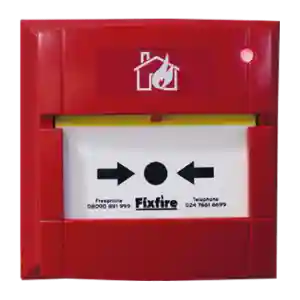
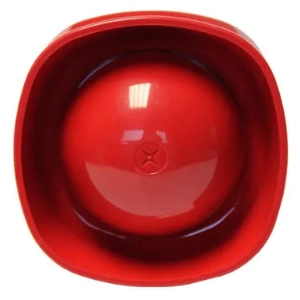
The Interim Measures Alarm Fund (IMAF) is now available for eligible residential buildings in England, providing funding to install interim fire alarm systems.
For many buildings currently operating waking watch, this creates a practical route to move from a labour-intensive interim measure to a common fire alarm system — while longer-term remediation is progressed.
Why the shift matters
The National Fire Chiefs Council (NFCC) has published the fourth edition of the Simultaneous Evacuation Guidance (SEG), which seeks to actively discourage the ongoing and prolonged use of waking watch and promotes proportionate decision-making with clearer emphasis on resident engagement. In other words: if a building is relying on waking watch as a long-term default, the direction of travel is to replace that dependence wherever feasible with more robust measures.
Who can apply (and who can’t)
Homes England states that applications can be made for buildings in England that are residential or student accommodation, by a Responsible Entity/Person (or an authorised representative). Leaseholders and residents cannot apply directly — they should contact the building owner or managing agent.
How the process works (IMAF → Installation)
- Apply online. The application is completed online and typically takes around 30 minutes; it must be completed in one go as progress is not saved.
- Send supporting evidence. This can include a letter of authority and supporting documents showing need (e.g., communication from a competent person or local regulator.)
- Choose an approved supplier panel contractor for a quote. Once eligibility is confirmed, you select a specialist Fire Alarm installer from the IMAF supplier panel to provide a design and specification/quotation.
- Quote review and grant agreement. The quote is submitted to Homes England for review, approval and grant funding.
- Installation and completion evidence. After work is completed, installation certification is issued and submitted to Homes England so grant funding can be paid.
Where Fixfire® helps
As a member of the IMAF supplier panel, Fixfire® is required to deliver works under the fund in line with BS 5839-1:2025 and comply with NFCC Guidance Version 4. The panel requirements also include timely responses to applicants, transparent and detailed quotes, support for clear resident/leaseholder communication, and proactive collaboration with Fire & Rescue Service/regulators where possible during design.
Next step
If you are a building owner, managing agent or Responsible Person currently operating waking watch (or seeking to mitigate the need for one), we can help you understand the process, provide a compliant specification and produce a transparent quote aligned with the programme expectations.
You have a legal duty of care to dispose of waste legitimately and safely via a licensed waste carrier. Failure to do so can result in prosecution, even if you have outsourced the disposal to a third party.
The Fixfire® Extinguisher Recycling Process is your reassurance that any Fire Extinguishers we remove from your premises have been disposed of in a safe and legal manner. 97% of each processed Fire Extinguisher is recycled.

Our contracted Extinguisher Recycling Unit (ERU) is a dedicated facility offering a service for the safe processing and recycling/disposal of fire extinguishers. The facility operates closely with the local Water Authority and the Environment Agency to develop safe, efficient and environmentally friendly processes, ensuring that ISO14001 certification is upheld.
Got a question about Fire Extinguisher Disposal? Need Fire Safety Compliance advice? Get in touch today!
For over 45 years, Fixfire® has been providing quality products, systems and services for Life & Property Protection. Whatever your requirement, please call our Compliance Team for expert advice and a refreshingly different approach.
Freephone 08000 891999
Our contracted Extinguisher Recycling Unit (ERU) is a dedicated facility offering a service for the safe processing and recycling/disposal of fire extinguishers. The facility operates closely with the local Water Authority and the Environment Agency to develop safe, efficient and environmentally friendly processes, ensuring that ISO14001 certification is upheld.
Got a question about Fire Extinguisher Disposal? Need Fire Safety Compliance advice? Get in touch today!
For over 45 years, Fixfire® has been providing quality products, systems and services for Life & Property Protection. Whatever your requirement, please call our Compliance Team for expert advice and a refreshingly different approach.
Freephone 08000 891999
False Fire Alarms remain a huge concern within the education sector- interrupting already carefully scheduled, planned and well-prepared lessons or even causing major disruption and distress to exams.
Clearly, these false alarms cause significant inconvenience and disruption to students, staff, and visitors. They compromise everyone’s safety in the school and present a significant risk to the local community since the Fire Brigade will prioritise the school over other emergency callouts.
Solutions you should consider:

The first and most straightforward way is to use anti-tamper products.
Fixfire® supplies a wide range of solutions designed to protect Fire Alarm Devices from inadvertent damage or deliberate misuse/vandalism.
Products include:
- Local plastic cover flaps which attach directly to manual call points.
- The stopper consists of a clear, tamperproof, tough polycarbonate cover, frame and spacer that retrofits over a break glass call point. When lifted to operate the break glass unit, its optional battery powered integral sounder emits a piercing 96dB (at 1m). Immediate attention is drawn to the area and a prankster will either run or be caught!
- A range of steel web stoppers designed to protect fire detectors and warning devices. They are constructed from heavy-duty galvanised steel rod which is plastic-coated for durability and external use.
- A range of polycarbonate enclosures are available for the protection of devices such as fire alarm control panels and associated control equipment. The enclosures combine tough rugged construction with stylish design and offer excellent protection with a key lock for authorised access.
We also provide anti-tamper devices for fire extinguishers and associated products.

KeyCall® is a patented anti-ligature Fire Alarm and Access Control call point. It is designed to use the same key as the doors, providing simple operation for staff whilst eliminating nuisance activations by service-users.
KeyCall® has been developed by Fixfire® specifically for approved applications where standard versions would be vulnerable to abuse.
It is one of the best solutions for SEN schools and it is also compatible with a wide range of Conventional and Addressable Fire Alarm Systems.

Most fire safety courses offer a mix of classroom-based learning and practical training experience, educating attendees on how to respond in the event of an emergency.
In order to fulfil your obligations under current Fire Safety Law, it is essential that you have a documented regime of Fire Safety tests and checks and personnel who are suitably trained to respond correctly in the event of an emergency.
All Fire Safety Training is provided by experienced, time-served and qualified persons from a Fire Safety background.

Even if the cameras don't identify the culprit, they can identify who was in the area at the time of the false alarm activation. Fixfire® specialises in integration and will bring together your Fire, Access and Security systems providing enhanced functionality.
Fixfire® provides leading-edge integration with ancillary systems and equipment. Our mission is to deliver reliable, well-engineered installations that provide you with peace of mind 24/7.

Smoke detectors that are placed too close to kitchens, cooking appliances, locker rooms or bathrooms will most likely be accidentally activated by the smoke or steam emitted by these sources. Detectors might need to be relocated.
Smoke detectors are more sensitive and are installed in any environment where smoke or steam would not normally be present. Heat detectors are installed in areas such as kitchens where smoke detectors would constantly false alarm during routine cooking. Multi-sensors combine smoke and heat in one detector and offer immunity to false alarms in certain applications.

New detectors have improved technology and can measure a range of conditions to potentially be more effective at detecting a fire condition.
Flush Fire Detectors ensure protection is not compromised in any areas where conventional ‘un-pluggable’ detection could be subject to abuse. It is widely used in SEN Schools.

Make sure the alarm system is properly and regularly maintained.
Fixfire® is BAFE accredited for the Design, Installation, Maintenance and Servicing of Fire Alarm Systems.
All works are carried out by our employed, uniformed and trained Fire Alarm engineers.
Following each visit, a Certificate of Inspection is issued.
Got a question about False Fire Alarms? Need Fire Safety Compliance advice? Get in touch today!
For over 45 years, Fixfire® has been providing quality products, systems and services for Life & Property Protection. Whatever your requirement, please call our Compliance Team for expert advice and a refreshingly different approach.
Freephone 08000 891999
.webp)